Mews house removals tips for Chelsea narrow driveways
Moving out of a mews property in Chelsea can feel a bit like solving a puzzle while a van is waiting outside and the clock is quietly ticking. Narrow driveways, tight turning space, shared access, parked cars, and careful neighbours all change the way a removal needs to be handled. That is exactly why Mews house removals tips for Chelsea narrow driveways matter so much: the move is not just about lifting boxes, it is about planning the route, protecting the property, and keeping the day calm enough that everyone can breathe.
If you are moving from a tucked-away mews home, the smallest detail can have a big effect. Can a vehicle get close enough? Will furniture clear the front steps? Is there room to stage items without blocking everyone in? Those are the questions worth answering early. In this guide, you will find practical advice for access checks, packing, vehicle choice, timing, and the sort of on-the-day decisions that help a Chelsea move go smoothly rather than becoming one of those slightly chaotic stories people tell later with a tired smile.
For readers comparing moving support, it can also help to look at experienced house removalists, a flexible man and van service, or wider home moves options depending on the size and complexity of the job. Different homes need different setups. That sounds obvious, but honestly, it is where many people save time and stress.
Table of Contents
- Why it matters in Chelsea mews streets
- How a narrow-driveway mews removal works
- Key benefits and practical advantages
- Who this is for and when it makes sense
- Step-by-step guidance
- Expert tips for better results
- Common mistakes to avoid
- Tools, resources and recommendations
- Law, compliance and best practice
- Options, methods and comparison table
- Case study or real-world example
- Practical checklist
- Conclusion
- Frequently asked questions
Why Mews house removals tips for Chelsea narrow driveways Matters
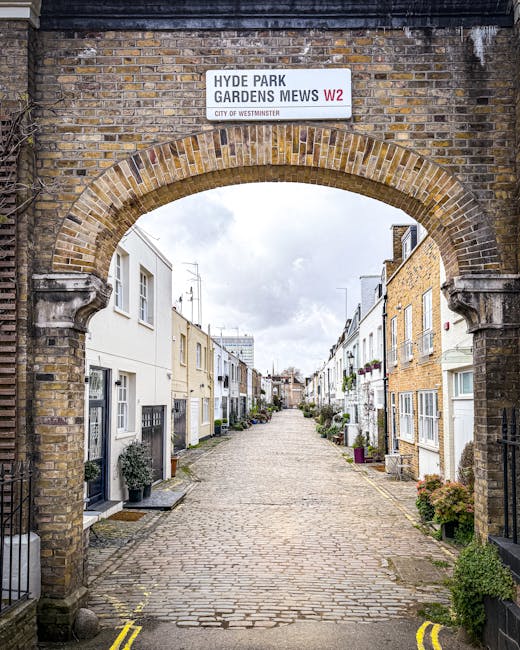
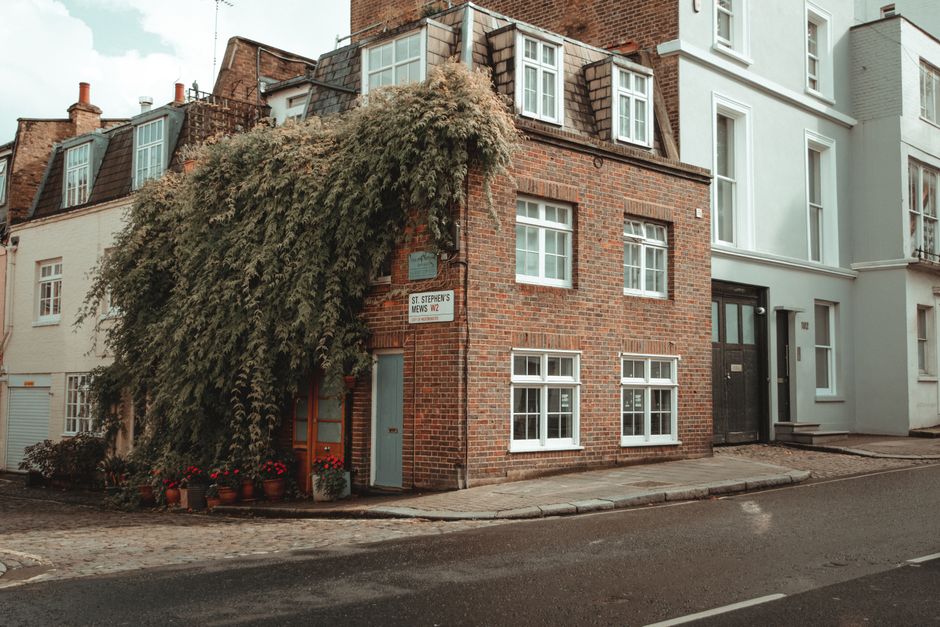
Chelsea mews homes are often charming, compact and deceptively tricky from a moving point of view. The frontage may be small, the access shared, and the driveway just wide enough for a vehicle if everyone breathes in at once. That is why specific planning for mews house removals tips for Chelsea narrow driveways is not a luxury. It is the difference between a move that feels controlled and one that turns into a long day of shuffling boxes back and forth.
Narrow driveways create a few common pressures. A vehicle may not be able to park directly outside. Furniture might have to be carried around corners or through a tighter-than-expected hallway. If access is shared, you also need to think about neighbours, refuse collections, and cars that may already be parked where you hoped to work. Chelsea streets are often busy at the best of times, and a mews lane can feel even tighter once a removals team, a van and a few weeks of packing all arrive together.
There is also the property itself. Mews homes are often older or converted spaces, so floors, steps, handrails and door frames deserve respect. You do not want a sofa scrape, a chipped bannister, or a clumsy turn that leaves a mark. Truth be told, the best removals people tend to spend as much time preventing damage as they do lifting the furniture.
Key takeaway: the more constrained the driveway and access, the more your move depends on preparation, accurate measuring, and a vehicle strategy that suits the actual space rather than a hopeful guess.
How Mews house removals tips for Chelsea narrow driveways Works
A successful mews move usually starts long before moving day. The process is part logistics, part common sense, and part local awareness. The aim is to match the property's access conditions with the right team, the right vehicle, and the right loading plan.
In practical terms, the workflow often looks like this:
- Assess access - check the width, turning area, surface, overhead clearance, steps, and where the vehicle can safely stop.
- Match the vehicle to the site - a smaller van or a more manoeuvrable vehicle may be better than trying to force in a larger lorry.
- Plan the carrying route - decide whether items can be moved directly to the vehicle or whether a relay system is needed.
- Prepare the property - protect floors, remove trip hazards, and clear the final path from room to exit.
- Load in the right order - bulky or fragile items should be staged and loaded with the narrow access in mind, not just in packing order.
- Keep communication open - the driver, movers, and resident should all understand where items will be placed, when the vehicle will move, and what happens if access is blocked.
That may sound simple, but the devil is in the details. A tight driveway changes the whole rhythm of the day. For example, if a van cannot sit by the entrance, the team may need to carry items to a nearby safe stopping point. That adds time, which adds labour, which means the move benefits from a team that has actually worked in cramped London streets before.
Some households choose a man with van arrangement for smaller loads, while others prefer a larger crew or specialist moving truck support when there is more furniture and packing to handle. The right choice depends less on habit and more on access. Narrow driveway? Start there.
Key Benefits and Practical Advantages
When you plan a Chelsea mews removal properly, the benefits show up in both small and obvious ways. The obvious ones are speed and fewer delays. The smaller ones are the ones people appreciate later: less stress, fewer accidental bumps, and a quieter moving day overall. And yes, quieter matters. A move with lots of tight manoeuvring can become oddly tiring, even if there are not many miles involved.
- Less property damage risk - better planning reduces the chance of scratched walls, damaged doors, and scuffed floors.
- Better use of labour time - movers spend less time waiting, repositioning, or re-carrying items.
- Smoother neighbour relations - careful timing and access planning help avoid blockages and frustration in shared mews spaces.
- More accurate costs - when access is understood clearly, quotes and time estimates are usually more realistic.
- Less packing panic - once you know the route and vehicle setup, packing becomes more structured and less chaotic.
There is also a subtle advantage that people sometimes miss: confidence. Once you know the van can actually get close enough, everything else feels easier. You pack more sensibly. You label boxes better. You stop second-guessing every piece of furniture. That is not a small thing on moving week.
If you are still comparing options, a dedicated packing and unpacking service can take pressure off the schedule, especially when a mews property needs careful wrapping and efficient loading. Packing well is not glamorous, but it saves arguments, and frankly that is worth a lot.
Who This Is For and When It Makes Sense
This kind of advice is most useful if your home sits in one of Chelsea's narrower residential lanes, courtyard-style mews streets, or converted properties where access is tight from the front. It also helps if you are moving into a mews home, not just out of one. The same issues apply in reverse, especially if the delivery vehicle cannot stop right outside.
It makes sense for:
- homeowners moving from compact mews houses
- tenants in converted coach-house style properties
- families with larger furniture and limited frontage space
- people moving antiques, artwork, or fragile items
- anyone who needs a calm, measured approach rather than a rushed one
It is particularly helpful if your driveway is not only narrow, but awkward. For example, some driveways are technically wide enough but too short for proper loading. Others are clear at one end but pinch in near the gate. A few have a nice neat entrance and then a surprise corner that makes a sofa behave like it has plans of its own. You get the idea.
If your move overlaps with business or storage logistics, similar planning principles apply to commercial moves and office relocation services, where access and timing are just as important. Different setting, same basic truth: if the vehicle cannot work safely, the day slows down fast.
Step-by-Step Guidance
Here is a straightforward way to plan a mews removal in Chelsea without overcomplicating it.
- Measure the access properly
Measure the driveway width at the narrowest point, the height of any arch or overhang, and the turning area near the property. If possible, check how far a vehicle can reverse or pull forward safely. A tape measure is better than eyeballing it. Always. - Walk the route from rooms to vehicle
Look at the actual path through the house and outside. Do you need to remove a door? Is there a step down? Will a wardrobe need a turn at the bottom of the stairs? These details decide whether the move feels easy or awkward. - Sort furniture by handling difficulty
Place bulky, fragile or awkward items at the top of your priority list. Mirrors, glass tables, headboards and tall wardrobes are often the real headaches in narrow access properties. - Choose the right vehicle size
Bigger is not always better. A vehicle that is too large for the driveway can cause delay and extra carrying distance. A smaller vehicle, or a suitable removal truck hire option, may be more efficient depending on access and load size. - Reserve space outside if needed
In Chelsea, a clear loading point matters. If the driveway is unusable for the vehicle, think carefully about where the van can legally and safely stop. The closer the load point, the better. - Pack for carrying, not just storing
Boxes should be sized for lifting and moving through tight spaces. Overfilled boxes are a common mistake; they are heavy, awkward and more likely to split. - Protect key surfaces
Floor covers, door-frame protection and corner guards help reduce damage in narrow routes. If the entrance is tight, protection is not optional in practice. - Build in buffer time
Give yourself extra time for access challenges, neighbour traffic, or a van repositioning. If the move takes less time than expected, brilliant. If not, you are covered.
A useful little habit: take a few photos of the driveway, street approach, and entrance before moving day. Not for show. Just to remind everyone what the space really looks like once boxes start appearing.
Expert Tips for Better Results
These are the practical things that tend to make the biggest difference on a narrow-driveway move.
- Use smaller stackable boxes for heavy items. Books, kitchenware and files become much easier to carry when split into manageable loads.
- Disassemble what you can. Bed frames, table legs and shelving units are easier to move through tight entrances when broken down properly.
- Keep a clear 'first out' area. The items that are leaving first should not be buried behind three layers of half-packed boxes.
- Protect the driveway itself. On wet or icy days, a mews surface can become slippery. A bit of caution goes a long way.
- Agree where items will be parked temporarily. If furniture has to wait in the hallway or courtyard, make sure it does not block the main route.
- Label by room and priority. A tiny bit of organisation saves a surprising amount of wandering around later.
One move comes to mind: a narrow mews entrance, a rainy Thursday morning, and a piano that was only going to fit if everybody stopped talking and started measuring. The team measured twice, protected the floor, and shifted the angle by a few degrees. That was enough. Sometimes that is all it takes. A small adjustment. A much easier day.
Also, do not underestimate communication. If a neighbour needs access in the middle of your move, better to know before the sofa is halfway through the gate. Small thing, big difference.
Common Mistakes to Avoid
Most problems with mews removals are avoidable. That is the annoying part, really. The good news is that once you know the traps, they are easier to dodge.
- Guessing the vehicle will fit. Measure it. Guessing is how schedules unravel.
- Ignoring turning space. A vehicle may fit in a driveway but still be difficult to reverse out safely.
- Leaving packing until the last minute. Tight access needs well-packed, ready-to-go items. Last-minute packing creates clutter fast.
- Forgetting about shared access. Mews streets often involve neighbours, gates and delivery traffic. Plan around them, not after them.
- Overloading boxes. Heavy boxes are harder to carry through narrow spaces and more likely to cause injury or damage.
- Not protecting walls and door edges. In a tight route, even careful movers can catch a corner.
- Underestimating time. A short physical distance can still take a while if access is awkward.
There is a particular type of moving regret that comes from saying, "It should be fine." In Chelsea mews properties, that phrase can come back to haunt you. Better to be a little cautious and a lot prepared.
Tools, Resources and Recommendations
You do not need specialist kit for every mews move, but the right basics make a real difference. A few sensible tools can turn a stressful carry into a manageable one.
- Tape measure - for driveway width, furniture size and clearance points.
- Furniture blankets and covers - useful for protecting polished surfaces and painted walls.
- Straps and ties - they help secure items in the vehicle so loads do not shift.
- Boxes in a few different sizes - especially smaller ones for heavy items.
- Markers and labels - plain, reliable, and much more useful than trying to remember what is in which box.
- Floor protection - especially useful in wet weather or on delicate surfaces.
As a service choice, it is often worth comparing how much support you really need. If the move is straightforward but access is tight, a man and van setup may be enough. If the property has several bulky items, fragile furniture, or a more involved packing stage, a fuller service may suit you better. There is no prize for using a larger setup than you need. Just extra hassle, usually.
If budget planning matters, review pricing and quotes carefully, and make sure the access conditions are described accurately. Clear details lead to better expectations. That sounds simple because it is.
Law, Compliance, Standards, or Best Practice
For most home removals, the key compliance issues are practical rather than dramatic. The main concerns are safe loading, road access, parking restrictions, property protection and the general duty to avoid creating hazards for people nearby. In a place like Chelsea, where space is limited and roads can be busy, best practice matters even more than usual.
A few points are worth keeping in mind:
- Safe access comes first. If a vehicle cannot enter or stop safely, do not force the situation.
- Respect parking and loading conditions. Local restrictions can affect where a van may wait, so the loading plan should be realistic.
- Protect people as well as property. Good movers watch for trip hazards, awkward lifts and blocked routes.
- Check insurance and handling terms. Understanding what is covered, and what is excluded, is sensible before the first box is lifted.
For reassurance, you can review the company's approach to insurance and safety and the health and safety policy. If you are interested in how your information is handled during booking and communication, the privacy policy is also there for reference. That may sound a bit formal, but it is simply part of choosing a service you can trust.
And if you care about waste reduction from unwanted items or packaging, the company's recycling and sustainability approach may be relevant too. It is nice when a move leaves less clutter behind, isn't it?
Options, Methods, or Comparison Table
There is no single correct way to handle a mews move in Chelsea. The best choice depends on access, volume, and how much support you want on the day.
| Option | Best for | Strengths | Watch-outs |
|---|---|---|---|
| Small van and labour | Light moves, compact homes, limited driveway space | Manoeuvrable, often easier on tight streets, flexible | May require more trips if load is larger |
| Standard removals team | Medium-sized household moves with mixed furniture | Better for heavier lifting and faster loading | Needs clearer access planning in narrow mews lanes |
| Truck-based move | Larger homes or more extensive contents | Good if the load is substantial and access is workable | May be awkward if the driveway is very tight |
| Packing-inclusive service | Busy households, fragile items, time-poor movers | Reduces stress and helps with efficient loading | Usually more involved, so plan earlier |
In simple terms: if your mews driveway is truly narrow, choice should lean toward manoeuvrability and efficiency, not size for size's sake. A carefully planned smaller setup often performs better than a bigger vehicle that has to wrestle with the street. It is not glamorous, but it works.
Case Study or Real-World Example
Imagine a two-storey mews house off a quiet Chelsea street. The frontage is tidy, but the driveway narrows just enough near the gate to make reversing awkward. The household includes a sofa, a dining table, several framed pieces, and a bed frame that definitely will not stay intact if it is moved as one piece.
The move works because of three decisions made early. First, the owners measure the access and share photos with the removals team. Second, the furniture is partly dismantled the day before, which saves time and reduces the risk of damage. Third, the vehicle is chosen for access rather than load pride. A slightly smaller vehicle, with a careful carrying plan, fits the space better and keeps the route short.
On moving day, the team starts with the largest pieces while the hallway is still clear. Boxes are loaded next, with the fragile items held back until the route is free. One neighbour needs to pass through the mews halfway through, so the timing is adjusted without drama. There is a bit of "right, let's just pause a minute," and then it carries on. No shouting, no scraping, no panic.
That is the point. Good planning does not make a move exciting. It makes it boring in the best possible way.
Practical Checklist
Use this before moving day. A calm checklist beats a rushed memory every time.
- Measure the narrowest point of the driveway.
- Check where a vehicle can safely stop or reverse.
- Photograph the entrance, gate, steps and route.
- Confirm whether any furniture needs dismantling.
- Pack heavy items into smaller boxes.
- Label boxes by room and priority.
- Protect floors, walls and door edges.
- Tell neighbours if access may be temporarily affected.
- Allow extra time for loading and manoeuvring.
- Review insurance, payment details and booking terms in advance.
If you are booking support for the day, make sure the access notes are clear and the service matches the property. It is often worth speaking directly before the move so everyone understands the space. For that, you can use the contact page when you are ready to confirm details.
Conclusion
Moving from a Chelsea mews house is entirely manageable when the access is respected from the start. Narrow driveways do not have to mean a stressful day. They just require a more thoughtful approach: accurate measurements, the right vehicle choice, careful packing, and a removals plan that is built around the property rather than forced onto it.
The most effective mews house removals tips for Chelsea narrow driveways are simple ones, but they matter: measure properly, protect surfaces, communicate clearly, and do not overload the schedule. If you keep those basics in view, the move becomes much more predictable. Less guessing. Fewer surprises. A better day overall.
Get a free quote today and see how much you can save.
And if there is one final thought to leave you with, it is this: a good move is not only about getting everything from A to B. It is about arriving at B with your patience intact. That part counts too.
Frequently Asked Questions
What is the biggest challenge with Chelsea mews removals?
The biggest challenge is usually access. Narrow driveways, limited turning space, shared entrances and nearby parking can all affect how close a vehicle can get and how quickly items can be loaded.
Should I book a larger vehicle for a mews house move?
Not always. A larger vehicle can be less practical if the driveway or turning area is tight. In many cases, a smaller, more manoeuvrable setup is safer and faster.
How do I know if my driveway is too narrow for a van?
Measure the width at the tightest point and compare it with the vehicle size and the space needed for safe movement. Also check turning room, gate width and any overhead restrictions. If in doubt, share photos and measurements before booking.
Do I need to dismantle furniture before the move?
Often yes, especially for large wardrobes, bed frames, tables and shelving. Dismantling helps furniture pass through narrow entrances more safely and reduces the chance of damage.
Is packing service worth it for a narrow driveway move?
It can be, particularly if you have fragile items, a tight schedule or a lot of awkward furniture. A well-packed move is easier to carry, load and protect in confined spaces.
How early should I plan a mews removal in Chelsea?
As early as you can. Access planning, parking concerns, furniture dismantling and packing all take time. Early planning gives you more choice and fewer last-minute compromises.
What should I tell the removals team before moving day?
Tell them about driveway width, gate access, steps, nearby parking issues, awkward furniture, fragile items and any shared access concerns. The more accurate the information, the smoother the day usually goes.
Can narrow driveways increase moving time?
Yes. Even if the distance is short, poor access can slow loading and unloading. Extra carrying distance, repositioning the vehicle and carefully moving large items all take time.
How can I reduce the risk of damage in a tight mews property?
Use protective covers, dismantle bulky items where possible, keep paths clear and avoid rushing. Floor protection and good lifting technique really matter in narrow homes.
What if neighbours also need access during the move?
Plan for it in advance if you can. Shared mews access can be tricky, so it helps to leave a safe gap in the schedule and keep communication polite and clear. A small pause is better than a blocked lane.
Do I need to worry about parking or loading restrictions?
Yes, you should. In Chelsea, loading and stopping arrangements matter. Make sure the chosen setup works safely and legally for the street, especially where access is limited or shared.
Where can I compare moving options and get a quote?
You can review pricing and quotes and then choose the support level that suits your property, furniture and access. If you are still unsure, a quick conversation can save a lot of guesswork later.