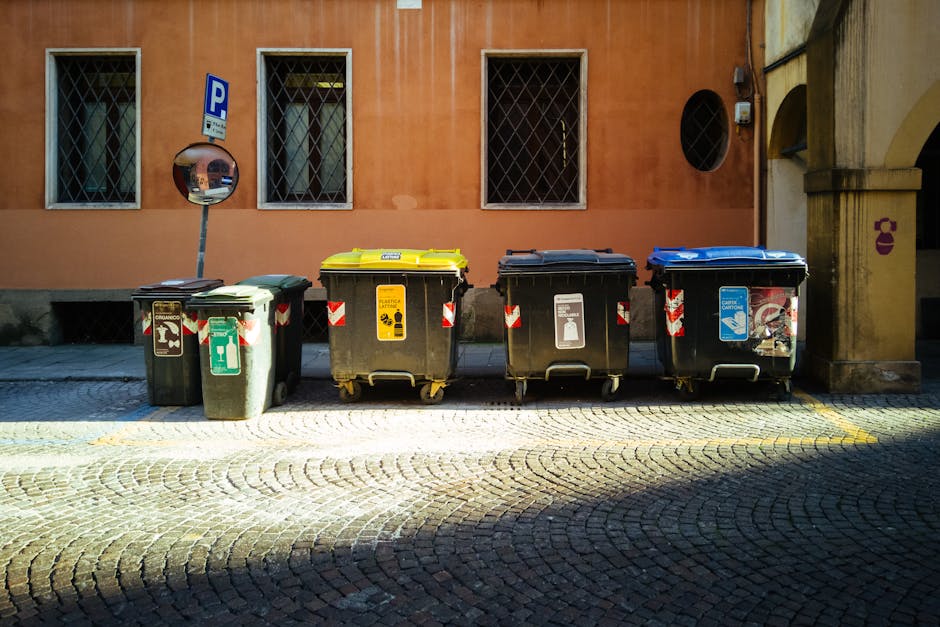
Legal Duties When Disposing Waste After a Chelsea Move
Moving out of a Chelsea flat, maisonette, or family home usually leaves one awkward final job: the waste. Old furniture, broken appliances, mixed rubbish, leftover packing materials, and items you no longer want all need to go somewhere. That last bit matters more than most people realise. Legal Duties When Disposing Waste After a Chelsea Move are not just a box-ticking exercise; they affect whether your move ends cleanly or turns into a messy, avoidable problem.
In practice, the rules are straightforward enough once you slow down and separate what is reusable, recyclable, hazardous, or simply general waste. The tricky part is doing it under moving-day pressure, with deadlines, tiredness, and a hallway full of cardboard. Let's face it, nobody finishes a move feeling especially patient. This guide explains what you need to do, what to avoid, and how to handle waste responsibly in Chelsea without making things harder than they need to be.
If you are organising a home move, office relocation, or a smaller clear-out after leaving a property, it helps to have a plan early. Services such as home moves, house removalists, and office relocation services can help with the transport side, while proper sorting and disposal keeps you on the right side of waste duties.
Table of Contents
- Why Legal Duties When Disposing Waste After a Chelsea Move Matters
- How Legal Duties When Disposing Waste After a Chelsea Move Works
- Key Benefits and Practical Advantages
- Who This Is For and When It Makes Sense
- Step-by-Step Guidance
- Expert Tips for Better Results
- Common Mistakes to Avoid
- Tools, Resources and Recommendations
- Law, Compliance, Standards, or Best Practice
- Options, Methods, or Comparison Table
- Case Study or Real-World Example
- Practical Checklist
- Conclusion
- Frequently Asked Questions
Why Legal Duties When Disposing Waste After a Chelsea Move Matters
Waste disposal after a move is one of those topics that sounds minor until something goes wrong. If rubbish is left on the pavement, fly-tipped in an alley, put into the wrong bin, or handed to someone who is not properly handling it, the responsibility can land back on you. In a busy part of London like Chelsea, where streets are tight and communal bin areas are often shared, that risk is even easier to create by accident.
The legal side matters for three big reasons. First, you want to avoid potential penalties or complaints. Second, you want to protect your reputation if you are a landlord, tenant, business owner, or managing agent. Third, and this is often overlooked, proper disposal keeps the move calmer. A clean handover is a relief. A half-finished clear-out is the kind of thing that nags at you for days.
There is also a practical reason. Waste is not one single thing. A pile from moving day may contain recyclable cardboard, reusable furniture, electrical items, batteries, old documents, and general refuse all mixed together. That mix needs to be separated sensibly. Otherwise, even a well-meaning disposal attempt can become non-compliant or simply inefficient.
For anyone moving from a Chelsea property, especially if you are already juggling keys, deposits, building access, or parking restrictions, waste management should be treated as part of the move plan, not an afterthought. A little structure goes a long way.
Expert summary: if you remember one thing, make it this: the person who arranges or leaves waste is usually the person who needs to make sure it is disposed of properly. "I didn't know" is a poor defence, and to be fair, it rarely helps on moving day.
How Legal Duties When Disposing Waste After a Chelsea Move Works
The legal duty is less about memorising a long list of rules and more about following a few sensible principles. Once you understand those, the process becomes much easier.
1. Identify what the waste actually is
Start by grouping items into basic categories:
- Reusable items such as furniture, shelves, mirrors, and some kitchenware.
- Recyclable materials like cardboard, paper, some plastics, glass, and metal.
- Electrical items such as lamps, kettles, TVs, chargers, and white goods.
- Hazardous or awkward waste including batteries, paint, cleaning chemicals, sharp items, and certain DIY leftovers.
- General rubbish that cannot be reused or recycled.
This classification matters because different items need different handling. A sofa is not the same as a sack of cardboard. A cracked monitor is not the same as kitchen packaging. Obvious, yes. But in a messy flat at 7pm with tape stuck to your shoes, those distinctions can fade fast.
2. Work out who is responsible
If you are the occupier, tenant, owner, landlord, or business leaving the premises, you may have practical responsibility for what is left behind. In shared buildings, bins and communal areas complicate things, so it is wise not to assume that someone else will sort it out. If a removal company is helping, check exactly what they will take, what they will not take, and how extra waste is handled.
When using a general moving service such as man and van or man with van, waste handling may be limited to transport or loading support. If you need disposal or recycling help as well, that should be confirmed in advance. No one enjoys awkward surprises at the kerb.
3. Use lawful disposal routes
Lawful routes usually include local recycling services, arranged waste collection, donation or resale where appropriate, and licensed waste handlers for items that cannot go in standard collections. The key point is that the waste must end up somewhere authorised and traceable. Leaving it beside a bin because "someone will take it" is not a plan. It is a gamble.
4. Keep evidence where sensible
You do not need a mountain of paperwork for a small household clear-out, but it is wise to keep invoices, collection details, or confirmation from the company handling the waste. For larger or more sensitive jobs, especially business moves, good records are simply smart practice. If anything is questioned later, you will be glad you kept them.
Key Benefits and Practical Advantages
Following the legal duties around waste disposal after a move does more than keep you compliant. It makes the whole process better. Cleaner, quicker, less stressful. That matters when you are already dealing with boxes everywhere and the faint smell of dust from under a radiator.
- Lower risk of fines or complaints because waste is handled properly.
- Cleaner property handover for landlords, buyers, tenants, and agents.
- Better recycling outcomes when materials are separated rather than mixed.
- Less clutter and stress on moving day.
- Safer access routes for neighbours, porters, and movers.
- More efficient use of transport if reusable items are donated or picked up separately.
There is also a small but real emotional benefit. A clear room feels different. You can hear your footsteps again. The move suddenly seems finished. That feeling is worth something.
Who This Is For and When It Makes Sense
This topic is relevant to more people than you might think. It is not just for people dumping a sofa after moving out. If you are relocating from Chelsea, the legal duty to dispose of waste properly may apply whether you are moving a small studio or clearing a whole office floor.
You should pay close attention if you are:
- Renting a flat and leaving items behind at the end of your tenancy.
- Selling a home and clearing the loft, shed, or garage.
- Moving a business and replacing office furniture or equipment.
- Downsizing and deciding what stays, what goes, and what gets passed on.
- Helping an older relative move, where sorting can be slow and emotional.
- Managing a property and arranging clear-out work for a move-out day.
For commercial moves, the stakes can be higher because there may be confidential paperwork, IT equipment, and more bulky furniture. If that sounds familiar, commercial moves and office relocation services are useful starting points for the transport side, but the waste side still needs a separate plan.
It also makes sense whenever there is a deadline. End-of-tenancy clean-out, completion day, office lease expiry, building access windows, or a strict handover schedule all make waste disposal more sensitive. Time pressure is where mistakes creep in.
Step-by-Step Guidance
If you want a practical way to handle waste after a Chelsea move, use this sequence. It keeps things simple and avoids that last-minute panic where everything ends up in one bag.
Step 1: Walk through the property room by room
Do one slow sweep before moving day if you can. Open cupboards, check under beds, look inside utility spaces, and glance at balcony storage or loft areas. You will almost always find a forgotten lamp, an old cable, a broken hanger rail, or a box of mixed bits that would otherwise be left behind.
Step 2: Sort into keep, donate, recycle, dispose
Use four clear piles or labels. Be honest with yourself. If the item will not be used, repairable, donated, or accepted for recycling, it should go into the disposal stream. That honesty saves time later. A slightly battered chair might still be reusable; a water-damaged one probably is not.
Step 3: Separate special items early
Batteries, sharp objects, liquids, paint, and electronics should be set aside. Do not let them disappear into a general rubbish bag. One wobbly mixed bag can become a problem very quickly. It is the small awkward items that usually cause the most fuss.
Step 4: Decide how each category will leave the property
Use the most suitable method for each pile:
- Donation or resale for usable furniture and household goods.
- Recycling collection for sorted cardboard and other accepted materials.
- Booked waste collection for general rubbish or bulky items.
- Special handling for electricals, hazardous waste, and confidential material.
Step 5: Confirm access and timing
Chelsea streets can be tight and busy, so think about access before collection day. If a bulky item needs lifting from an upper floor or a basement, make sure the route is clear. If you are using a vehicle for transport, you may need to consider load size, parking, and handling at both ends. A suitable vehicle such as a moving truck or removal truck hire can help with bulky loads, but it will not replace correct sorting.
Step 6: Clean the final space
Once the waste is gone, do a final check. Look behind doors, in corners, and beneath appliances. A last sweep is boring, yes, but it prevents the classic "we forgot the old mop bucket" moment. Small things matter more than people expect.
Step 7: Keep a record if the disposal is arranged for you
If a company takes away waste on your behalf, keep the details of what was removed and when. This is especially useful for business relocations, landlords, and anyone handing over a property under formal conditions.
Expert Tips for Better Results
In our experience, the best waste disposal plans are not complicated. They are just started earlier than everyone else's. That is the whole trick, really.
- Book one disposal method early rather than trying to solve everything on the final evening.
- Keep a "questionable" pile for items you are unsure about. It helps you avoid rushed decisions.
- Use clear labels on boxes so recycling and disposal are not mixed in the chaos.
- Measure bulky items before moving day. If a wardrobe will not fit through the stairwell, plan now, not later.
- Don't overfill bags. Heavy bags break, scatter waste, and make handling riskier.
- Treat documents carefully. If papers contain personal or business information, shredding or secure disposal may be sensible.
- Think about the destination before lifting. If an item is reusable, the greenest solution is often reuse, not disposal.
One small human tip: keep a roll of tape, marker pens, and a couple of empty bags in a visible place. Sounds basic, but on moving day basic is beautiful.
If you want help with the packing side as well, packing and unpacking services can make sorting easier because items are gathered more systematically from the start. That alone can reduce waste confusion later.
Common Mistakes to Avoid
Most waste problems after a move are not malicious. They are rushed, tired, or slightly careless. Still, the consequences can be annoying. Sometimes expensive. Here are the common traps.
- Leaving rubbish on the street and assuming it will be collected by someone else.
- Mixing everything together so recyclables and hazardous items are no longer separate.
- Ignoring bulky items until the last hour, when there is no good disposal option left.
- Handing waste to an unverified collector without checking where it is going.
- Forgetting about electricals such as small appliances and old chargers.
- Leaving confidential papers in open bags during a business move.
- Assuming the landlord or building staff will deal with it unless that has been clearly agreed.
There is also the very common "I'll sort it after the keys are handed over" mistake. Sometimes that works. Often it doesn't. Once access is gone, options shrink fast.
Tools, Resources and Recommendations
You do not need a truck full of specialist gear to dispose of waste legally after a Chelsea move, but a few practical tools make life easier.
- Sturdy sacks and boxes for separating categories clearly.
- Permanent marker pens and labels so nobody guesses what belongs where.
- Heavy-duty gloves for handling sharp or dusty items.
- Basic tape measure for checking whether bulky goods can be carried safely.
- Cleaning wipes or dust sheets for the final sweep after the waste is removed.
For many movers, the most useful "resource" is a clear disposal plan linked to the move schedule. If you are comparing transport options, it may help to review pricing and quotes alongside the logistics, because the cheapest option is not always the one that handles awkward waste most efficiently.
If you are moving reusable furniture out of the property, furniture pick up can be a sensible route for items that are still in usable condition. And if sustainability matters to you, the company's recycling and sustainability information is worth checking before you decide how to split up the load.
Law, Compliance, Standards, or Best Practice
This is the part people often want simplified, so here it is in plain English. In the UK, waste must be handled responsibly, and you should not leave it for random collection, dumping, or unsafe storage. If you arrange for waste to be removed, it is sensible to ensure the person or company taking it is acting lawfully and appropriately. For householders, that usually means using recognised disposal routes and not putting prohibited items into ordinary bins. For businesses, the expectations are often higher because there may be added duties around records, data protection, and duty of care.
The exact rules can vary depending on the type of waste and the local arrangements in place, so this is one of those areas where cautious checking is wise. If in doubt, separate the items, avoid mixing categories, and ask for a lawful collection method that suits the material. That is usually the safest practical approach.
Best practice in Chelsea also means thinking about neighbours and shared access. Keep hallways clear, do not block bin stores, and avoid leaving loose waste where it may be blown, spilled, or tampered with. Sounds obvious, but communal spaces have a way of revealing every shortcut.
For business users, using a provider that is transparent about its handling processes and safety standards can reduce stress. If you are comparing support for office or commercial moves, it may also help to look at insurance and safety and the company's health and safety policy so you know how risk is managed during loading and removal.
Options, Methods, or Comparison Table
There is no single best disposal method for every move. The right choice depends on what you are throwing away, how quickly you need it gone, and whether anything could be reused. Here is a practical comparison.
| Method | Best for | Pros | Watch-outs |
|---|---|---|---|
| Reuse or donation | Good-condition furniture, household items, decor | Reduces waste, often cheapest, environmentally sensible | Not suitable for damaged or unsafe items |
| Recycling separation | Cardboard, paper, some plastics, metal, glass | Supports proper material recovery | Items must usually be clean and correctly sorted |
| Booked bulky waste collection | Sofas, mattresses, large broken items | Convenient for heavy objects | Timing and item rules can be strict |
| Special handling | Batteries, electronics, paint, chemicals | Safer and more compliant | Needs extra planning and separation |
| Removal support with transport | Mixed move-out loads, access-limited properties | Efficient and less physically demanding | Not every load includes disposal automatically |
For a standard home clear-out, reuse plus recycling is often the smartest combination. For an office move, the picture is more complex, especially if there are desks, chairs, IT equipment, and confidential material. That is where structured removal support can save a lot of faff.
Case Study or Real-World Example
Picture a typical Chelsea flat move. The tenant has a week between packing and handover, plus a narrow stairwell, a small lift, and only a short loading window. They have two bookcases, a broken bedside cabinet, several cardboard boxes, an old kettle, and a bag of mixed odds and ends from the kitchen drawer that nobody wants to touch.
Instead of leaving it all for the final day, they sort it into four groups. The good bookcase goes to reuse. The cardboard is flattened and bundled. The kettle and cables are set aside with the electricals. The broken cabinet and general rubbish are loaded separately. A small vehicle is arranged for transport, and the moving team handles the bulkier items with care.
The result is pretty ordinary on paper, which is exactly the point. No piles left on the pavement, no last-minute scramble, no argument with the building manager, and no "whose bag is this?" moment. The flat is handed back cleanly. Not glamorous, but quietly satisfying.
That sort of outcome is often the difference between a move that feels controlled and one that feels like everything is sliding at the edges.
Practical Checklist
Use this before and after moving day. It is simple, but it works.
- Walk through every room, cupboard, loft, and storage area.
- Separate reusable items from waste.
- Flatten and sort cardboard.
- Keep electrical items apart from general rubbish.
- Set aside batteries, paint, chemicals, and sharp items.
- Confirm whether your mover will transport, collect, or dispose of waste.
- Check access, parking, and loading restrictions in Chelsea.
- Keep confidential papers secure until properly destroyed.
- Take away all waste before final handover if possible.
- Keep any collection records or disposal confirmations.
- Do one last empty-room check before locking up.
Quick reality check: if an item makes you pause and think, "Maybe someone else should deal with this," then it probably belongs in the separate category pile. That little hesitation is useful. Trust it.
Conclusion
Legal duties around waste disposal after a Chelsea move are not complicated, but they do reward attention. Separate the items, choose lawful disposal routes, keep the process tidy, and avoid the temptation to dump the whole job on the final hour. That is usually enough to stay on the right track and make the handover feel smooth.
Whether you are moving a flat, a family home, or a work premises, the waste part is best handled with the same care as the packing and lifting. Done properly, it saves time, reduces stress, and leaves the property in better shape for everyone involved. And honestly, after a long move, that clean finish feels good.
For support with the moving side of the process, including transport and careful handling, you can explore man and van options or review home moves if you are planning a residential relocation.
Get a free quote today and see how much you can save.
When the last box is gone and the room finally echoes back at you, that is usually the moment you know the move is really over.
Frequently Asked Questions
Who is legally responsible for waste left after a move?
In most practical situations, the person or business arranging the move-out is responsible for making sure waste is removed properly. If you leave items behind, you should not assume someone else will deal with them.
Can I leave moving waste next to a bin in Chelsea?
No, not as a general rule. Leaving waste beside a bin or on the pavement can create a nuisance and may be treated as improper disposal. Use an approved collection or disposal route instead.
Do cardboard boxes count as waste after a move?
Yes, if you no longer need them. But they are often recyclable, so it usually makes sense to flatten and sort them rather than throwing them in with general rubbish.
What should I do with old furniture after a Chelsea move?
If it is still usable, donation or resale may be best. If it is damaged or unsafe, arrange a lawful bulky waste or removal service that can handle it correctly.
Are electrical items treated differently from normal rubbish?
Usually, yes. Electrical items such as kettles, lamps, and monitors should be kept separate from general waste and handled through an appropriate route.
Do I need proof that waste was disposed of properly?
It is a smart idea, especially for business moves, landlords, and larger clear-outs. Keep any invoices, collection confirmations, or similar records if they are provided.
What happens if confidential papers are left in the waste?
That can create a privacy problem. Secure shredding or controlled disposal is a better option for paperwork containing personal or business information.
Can a man and van service take my rubbish too?
Sometimes, but not always. It depends on what the service includes and how the items are handled. Always check in advance rather than assuming waste removal is covered.
Is it better to recycle everything or just book a collection?
Where possible, recycling and reuse are usually the better first choices. A collection is often the right answer for bulky or mixed waste, but sorting first usually gives better results.
What is the safest way to deal with batteries and paint after moving?
Keep them separate from other waste and handle them carefully. These items are often treated as special or hazardous waste, so they should not be thrown into ordinary rubbish bags.
How early should I plan waste disposal before a Chelsea move?
Ideally, before moving day. Even a short bit of planning helps. If you leave it too late, you may find your options are smaller, more expensive, or simply more stressful.
What if the building has shared bins and there is no space?
That is common in Chelsea and it is exactly why planning matters. Use the proper collection route, and avoid blocking communal spaces or overfilling shared bins.
Are there any special concerns for office moves?
Yes. Office moves can involve confidential waste, IT equipment, and larger volumes overall. The legal and practical expectations are usually higher, so structured planning matters more.
What is the simplest way to stay compliant?
Sort waste early, separate special items, use lawful disposal routes, and keep clear records when a third party handles the removal. Simple, but effective.