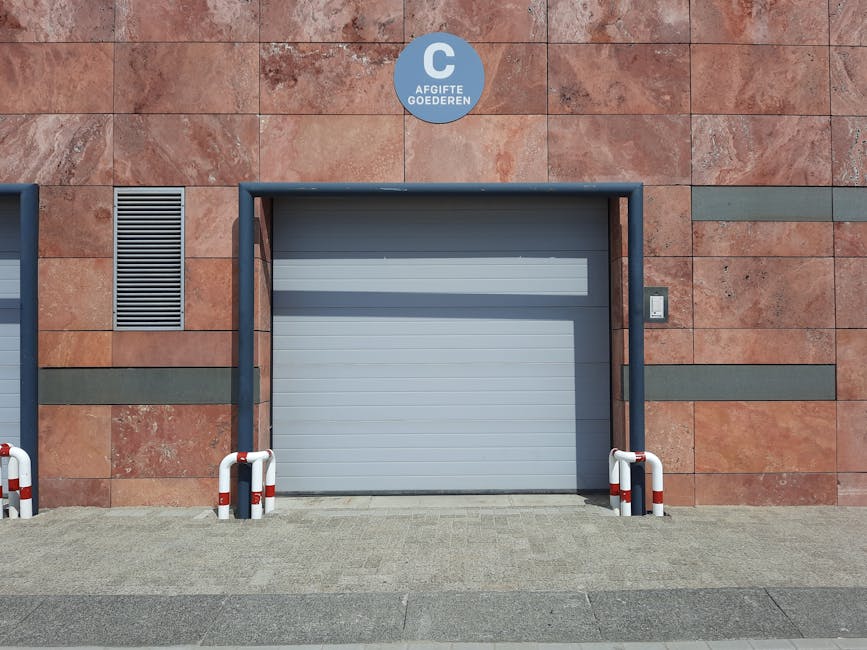
Chelsea Loading Bay Permits: Applying for Removals Access
If you are moving a home, flat, or office in Chelsea, the loading bay question can become the make-or-break detail. Chelsea Loading Bay Permits: Applying for Removals Access is not just a bit of admin; it is the difference between a calm move and a van circling the block while everyone gets flustered. In a neighbourhood where space is tight, streets are busy, and parking can disappear fast, getting the right access in place matters far more than people expect.
This guide explains what a loading bay permit or temporary access arrangement usually means in practice, why it matters for removals, how the application process tends to work, and what to watch out for before move day. You will also find a practical checklist, a comparison of access options, and some grounded tips from the sort of situations people run into all the time. Let's face it, moving day already has enough moving parts.
Table of Contents
- Why Chelsea Loading Bay Permits: Applying for Removals Access Matters
- How Chelsea Loading Bay Permits: Applying for Removals Access Works
- Key Benefits and Practical Advantages
- Who This Is For and When It Makes Sense
- Step-by-Step Guidance
- Expert Tips for Better Results
- Common Mistakes to Avoid
- Tools, Resources and Recommendations
- Law, Compliance, Standards, or Best Practice
- Options, Methods, or Comparison Table
- Case Study or Real-World Example
- Practical Checklist
- Conclusion
- Frequently Asked Questions
Why Chelsea Loading Bay Permits: Applying for Removals Access Matters
Chelsea is not the kind of place where you can assume the van will just stop outside the front door and everything will be fine. Streets can be narrow, traffic can be stop-start, and bays may be shared with residents, deliveries, or businesses. If your removal team arrives without a clear loading plan, the whole job can slow down almost immediately.
A loading bay permit, or a similar access arrangement, is essentially about creating a lawful, usable space for your removal vehicle to load or unload. For removals, that means reducing the risk of parking penalties, avoiding awkward delays, and giving the crew a proper window to work. In busy parts of Chelsea, that little bit of planning often saves the whole day.
There is also a practical side that people miss. A removals job is not just about the vehicle; it is about timing, route access, lift use, stairs, neighbour traffic, and whether the crew can work safely without rushing. If the van has to park half a street away, what sounded like a simple move can suddenly become a long carry. Boxes get heavier, furniture becomes more awkward, and tempers can rise. Nobody needs that on a Monday morning.
Expert summary: If your Chelsea move involves a street-facing property, a limited waiting area, or any need to stop the vehicle close to the entrance, sorting access early is one of the most useful things you can do.
For many people, the permit question also connects with the broader move plan. If you are comparing service options, it helps to look at the whole picture rather than just the vehicle. For example, a team offering man and van support may suit lighter moves, while a more structured home move can benefit from a fuller service such as home moves. The access arrangement should match the scale of the job.
How Chelsea Loading Bay Permits: Applying for Removals Access Works
In simple terms, the process is about checking whether your removals vehicle can legally and practically stop near the property for long enough to load or unload. The exact arrangement can vary depending on the location, the type of street, and the local restrictions in place at the time. In some cases, there may be a designated loading bay. In others, a bay suspension, waiting dispensation, or another form of permission may be needed. The terminology can be a bit messy, to be honest, and different people use the words loosely.
What matters is this: you need a clear understanding of where the vehicle will stop, how long it can stay there, and whether the arrangement covers the size of the truck or van you are actually using. A permit that suits a small van may not be enough for a larger vehicle or for a removal truck with more substantial loading needs.
In a typical removals scenario, the sequence looks something like this:
- Confirm the moving date and time window.
- Check the street layout and loading restrictions near the property.
- Decide whether you need a loading bay, suspension, or alternative access plan.
- Submit the application with the correct details, including vehicle size and move timing.
- Allow enough lead time for processing and any follow-up questions.
- Keep confirmation documents ready for the removal crew on the day.
If you are using a larger vehicle, you may want to look at options such as a moving truck or removal truck hire and make sure the access arrangement is sized accordingly. This is where a lot of people get caught out. The bay exists, yes, but does it actually fit the vehicle, the time slot, and the work pace? Different question entirely.
Another point worth noting is building access. In some Chelsea properties, loading access is only half the battle; the other half is getting items safely in and out of the building. If you are working with a flat, mansion block, or tight stairwell, it may be worth pairing the permit plan with packing and unpacking services so the move runs more smoothly once the van is parked.
Key Benefits and Practical Advantages
The obvious benefit is convenience. But there is more to it than that.
- Less risk of disruption: A planned access arrangement reduces the chance of last-minute parking drama.
- Better time control: When the van is close to the door, loading and unloading usually runs more efficiently.
- Reduced carrying distance: Shorter walks mean less strain, fewer bumps, and a lower chance of damage.
- Safer handling: Movers can work more carefully when they are not rushing between a far-off vehicle and the property.
- Cleaner coordination: The crew, building manager, and residents are less likely to be confused about what is happening and when.
- Lower chance of unexpected penalties: Proper access planning helps avoid avoidable parking issues.
There is also a quieter benefit that people only appreciate after the move: peace of mind. When you already know where the van is going to stop, you think more clearly about the rest of the day. Which boxes should go first? Will the sofa fit through the hall? Can the team begin unloading before the lift gets busy? These little decisions are much easier when access is sorted.
For business moves, the impact can be even stronger. A shop, studio, or office may have a narrow loading window and little tolerance for delay. If that sounds familiar, a more specialised service like commercial moves or office relocation services may help you line up the access plan with the operational side of the relocation. Not glamorous, maybe, but very effective.
Who This Is For and When It Makes Sense
This topic is relevant for anyone moving in or out of Chelsea where street access is limited, regulated, or likely to be shared. That includes a lot of different people, not just big house moves.
- People moving from flats, terraces, or mansion blocks
- Residents of streets with restricted parking or busy daytime traffic
- Anyone using a van or truck that needs to stop close to the entrance
- Office teams relocating equipment, files, or furniture
- Landlords or letting agents arranging a tenant turnaround
- People moving bulky items that cannot easily be carried from a distant parking space
It also makes sense whenever the move is time-sensitive. Maybe you have a key handover at midday. Maybe the lift is booked for a short slot. Maybe the street is busiest right when your removal crew can arrive. In those cases, access planning is not a nice extra; it is part of the job.
If you are only moving one or two items, you may not need a formal loading arrangement at all. A smaller service such as furniture pick-up or a simple man with van arrangement may be enough, provided the stop is legal and safe. The real question is not "Do I need a permit?" but "What kind of access do I actually need for this specific move?" That question saves time every time.
Step-by-Step Guidance
Here is a practical way to approach Chelsea Loading Bay Permits: Applying for Removals Access without overcomplicating it.
1. Start with the property and street, not the vehicle
First, look at where the van will need to stop. Is there a bay directly outside? Is there double yellow line pressure? Are there timed loading rules, controlled hours, or resident-only restrictions? The street layout often tells you more than the move plan does. Stand there if you can. A five-minute look outside at the curb can prevent hours of hassle later.
2. Match the vehicle to the space
A large removals truck may not suit a narrow lane or a tight loading bay. If the access space is limited, think carefully about vehicle size. In some moves, using a smaller van and making more than one trip is actually easier than forcing a large vehicle into a tricky spot.
3. Gather the details before applying
You will usually want the moving date, estimated times, vehicle dimensions if relevant, property address, and any special notes about the building entrance or loading point. If there is a concierge, building manager, or residents' association, check whether they need advance notice too.
4. Build in time for approval
Do not leave access planning until the day before. Chelsea streets can be busy enough at the best of times, and same-week decisions can be stressful. Give yourself breathing room. A little. Not loads, just enough.
5. Confirm the operational plan with your movers
Once access is agreed, tell the removal team exactly where to stop, how long they have, whether there are any height or width concerns, and whether a porter, lift booking, or building pass is needed. Good crews appreciate clarity. It saves everyone from repeating themselves on the pavement while traffic builds behind them.
6. Keep evidence and contact details handy
On move day, have confirmation messages, reference numbers, or printed details ready. If there is any challenge from parking enforcement, a building porter, or a neighbour asking what is happening, you want the information within reach, not buried in your inbox.
If you are hiring a crew to do the heavy lifting, you may also want to compare the move with a fuller house service, such as house removalists, especially if there are stairs, fragile items, or larger furniture pieces involved. The access plan should fit the service, not the other way round.
Expert Tips for Better Results
After enough removals jobs, a pattern becomes obvious: the people who plan access early tend to have smoother, calmer moves. Not perfect, because moving day never is, but better. Much better.
- Book around the building, not just the clock: If the lift is booked for a narrow slot or the concierge only starts later in the morning, your vehicle time should reflect that.
- Check for temporary street changes: Roadworks, suspended bays, skips, and events can change the feel of a street very quickly.
- Measure awkward items: Wardrobes, sofas, and bed frames can dictate the loading position more than the permit itself.
- Have a backup plan: If the exact bay is unavailable, know whether a nearby legal stop is acceptable.
- Keep the route short inside the property: The best loading point in the world is only useful if the hallway, door width, and stair turn allow the items through.
One small practical trick: if you are moving from a flat with a tight entrance, photograph the route from the front door to the vehicle the day before. It sounds a bit overcautious, but when the crew arrives and everyone is juggling boxes, those photos can help solve arguments before they start.
And yes, the kettle should be easy to reach. That is not a compliance tip, just common sense. A moving crew on a cold Chelsea morning with no tea nearby? Brave, but not ideal.
Common Mistakes to Avoid
Most access problems are predictable. Which is mildly annoying, because it means they are also avoidable.
- Assuming a van can just stop anywhere: Restrictions are restrictions, even if the street looks quiet.
- Choosing the wrong vehicle size: Bigger is not always better if the access is tight.
- Leaving the application too late: This is one of the easiest ways to create avoidable stress.
- Forgetting about the building side of the move: A loading bay alone does not solve lift bookings, access codes, or concierge rules.
- Not telling the movers the full story: If the stop point is 40 metres from the entrance or the road slopes sharply, say so.
- Ignoring neighbourhood realities: Chelsea can be lively, especially around peak travel times, school runs, and lunchtime delivery windows.
Another common issue is underestimating how long unloading takes. People often think, "It's only a few boxes and a sofa." Then the mirrors need wrapping, the sofa needs turning, the lift is slower than expected, and the bay time starts ticking. A little realism goes a long way here.
Tools, Resources and Recommendations
You do not need a fancy toolkit to get this right, but a few practical things help a lot.
- Site photos: Useful for checking bay width, kerb height, and entrance position.
- Measurements: Door widths, stair turns, lift dimensions, and vehicle length all matter.
- Move timeline: A simple written schedule keeps everyone on the same page.
- Building contact details: Handy if access instructions change on the day.
- Packing labels: They cut unloading time and reduce fuss in the flat or house.
If you want support before move day, it can help to combine access planning with the rest of the moving job. For example, many people use packing and unpacking services to reduce pressure on the day itself. Others want a straightforward quote process first, which is where pricing and quotes can help set expectations clearly.
You may also want to think about vehicle choice from a practical angle. A man with van setup can be ideal for smaller loads or short-notice jobs, while a larger moving truck may be better when you have more volume and need fewer trips. The best choice depends on access, load size, and how much time you actually have.
Law, Compliance, Standards, or Best Practice
This part matters because loading and parking rules are not just admin detail; they affect safety, responsibility, and whether the move proceeds without avoidable problems. In the UK, street loading and waiting restrictions are taken seriously, and local arrangements can vary by location and time of day. So while the exact rules depend on the relevant authority and the specific street, the general best practice is consistent: check permissions in advance, keep to the terms of the access arrangement, and avoid assuming that a short stop is automatically allowed.
From a best-practice point of view, good removals work should also consider:
- Vehicle safety: The stop point should allow the vehicle to be positioned safely and legally.
- Manual handling: Items should be carried in a way that reduces strain and injury risk.
- Building safety: Doors, corridors, lifts, and entrances should remain usable and not be blocked.
- Insurance awareness: It is wise to understand what cover applies during loading and unloading.
If you are comparing providers, it is sensible to look for clear operational policies and reasonable handling standards. Pages such as insurance and safety and health and safety policy can help you understand how a company thinks about risk and responsibility. That is not glamorous reading, I know, but it tells you a lot about how they work in the real world.
For people who care about wider operational standards, it can also be reassuring to review terms and conditions, payment and security, and, if relevant, recycling and sustainability. These are not loading bay documents as such, but they help build a fuller picture of how the service is managed.
Options, Methods, or Comparison Table
Different moves need different access approaches. Here is a straightforward comparison to help you think it through.
| Access option | Best for | Advantages | Possible drawback |
|---|---|---|---|
| Loading bay access | Short loading/unloading stops close to the property | Efficient, practical, usually the cleanest option for removals | May be time-limited or space-restricted |
| Bay suspension or temporary restriction | When a standard bay is occupied or unavailable | Creates room for the vehicle to stop legally | May require more planning and confirmation |
| Smaller van with flexible parking | Lighter moves, tight streets, or short journeys | Easier to position in awkward streets | May need multiple trips |
| Larger removal truck | Bulkier house or office moves | Can move more in one go | Needs better access and more room to manoeuvre |
For many Chelsea moves, the decision is not about one perfect option. It is about choosing the least disruptive one. A smaller van may be more practical than a bigger truck if the street is tight. On the other hand, a larger vehicle can be better if you have a large load and a proper stop point. There is no magic answer, only the right fit.
Case Study or Real-World Example
Consider a flat move from a Chelsea side street where parking is limited and the building entrance sits a short distance from the road. The first instinct might be to book the largest possible truck and hope for the best. But after a quick look at the access, it becomes clear that a smaller vehicle would be easier to position, and a short loading window would reduce friction with residents and passing traffic.
In practice, the team would confirm the stop point, arrange building access, and keep the load sequence simple: bulky furniture first, fragile boxes last, and the essentials separated. The move would still be busy, of course. There would still be a stair turn that looked tighter than expected, because there always is one. But because the access plan was realistic, the day would stay controlled instead of turning into a scramble.
That is the difference good access planning makes. It does not remove the work. It removes the unnecessary chaos.
For a business move, the same logic applies. An office relocation in Chelsea might need a precise window for loading equipment, plus close coordination with the building manager. In that setting, the right vehicle and the right access arrangement can be the difference between a quick handover and a morning spent apologising to everyone in sight.
Practical Checklist
Use this simple checklist before moving day. It is the kind of thing you can read once, then glance at again with a cup of tea while everything is still relatively calm.
- Confirm the exact moving date and arrival time
- Check the street restrictions near the property
- Decide whether you need loading bay access or another form of permission
- Match the vehicle size to the available space
- Tell the removals team about any tight turns, steps, or lift issues
- Notify the building manager, concierge, or landlord if needed
- Keep all confirmation details accessible on the day
- Label fragile items and priority boxes clearly
- Measure awkward furniture and doorways in advance
- Have a backup plan if the first stop point is unavailable
If your move also involves discarding unwanted items, it may help to arrange that separately so the loading space is not cluttered. Some people also combine moving day with a responsible clear-out or furniture pick-up to keep the property tidy and the final handover less stressful.
Conclusion
Chelsea Loading Bay Permits: Applying for Removals Access is one of those topics that looks small on paper and becomes very important in real life. The right access plan can save time, reduce stress, protect your belongings, and keep the day moving at a sensible pace. The wrong one can create delays that ripple through the entire schedule.
The good news? Most of the risk sits in the planning stage, which means you can do a lot to improve the outcome before the first box even leaves the hallway. Check the street, match the vehicle, allow enough time, and keep the move plan practical. That is usually what works best in Chelsea, where the details matter more than people expect.
And if you are still deciding what kind of move support you need, start with the access question first. Once that is clear, the rest becomes much easier to manage.
Get a free quote today and see how much you can save.
Frequently Asked Questions
Do I always need a loading bay permit for a Chelsea removal?
Not always. It depends on the street, the vehicle, the time of day, and whether there is a legal place to stop for loading or unloading. Some moves can be done with a simple legal stop, while others need a more formal arrangement.
How far in advance should I arrange removals access?
As early as you can, ideally once your moving date is confirmed. The earlier you check access, the easier it is to avoid last-minute surprises or clashes with building rules and street restrictions.
Can a man and van service handle Chelsea loading restrictions?
Yes, often it can, especially for smaller or more flexible moves. A man and van setup can be a good fit if the load is modest and the access point is tight, but you still need to check whether the stop is legal and practical.
What if the removal truck is too large for the loading bay?
Then you may need a different vehicle, a different stop point, or a revised loading plan. It is better to change the setup before move day than to discover the problem while the crew is already there.
Do office moves need the same access planning as home moves?
Yes, and sometimes more so. Office relocations often involve equipment, time windows, and building management rules, so access planning is usually a key part of the job. A service like office relocation services can help coordinate that.
What documents should I keep ready on the day?
Keep any confirmation details, reference numbers, contact names, and access instructions close to hand. If someone questions the stop or the loading arrangement, it helps to have the information ready rather than digging through messages.
Are loading bay permits the same as parking permits?
No, not usually. A loading bay arrangement is generally about stopping for loading or unloading, whereas parking permits are usually about longer-term parking rights. The terms matter, and mixing them up can cause problems.
What happens if street conditions change on the day?
It is worth having a backup plan. Temporary roadworks, deliveries, or unexpected obstructions can change what is possible. A flexible crew and a sensible fallback location can make a big difference.
Can I use a loading bay for just a few boxes?
Sometimes, but it depends on the local rules and whether the stop is necessary. For a very small move, a lighter option such as furniture pick-up or a brief van stop may be enough, provided it is allowed.
How do I reduce the risk of delays on moving day?
Plan access early, pack well, label clearly, and make sure the removal team knows exactly where to stop and how long they have. Simple as that, really. The smoother the access, the smoother the day.
Is it worth choosing a bigger truck for one Chelsea move?
Only if the street and access point can support it. Bigger is not automatically better. Sometimes a smaller vehicle is the smarter choice because it is easier to place and easier to load safely.
Where can I check pricing for a move with access planning?
You can review pricing and quotes to get a better sense of the likely cost and what affects it. Access, vehicle size, and service level all play a part in the final figure.