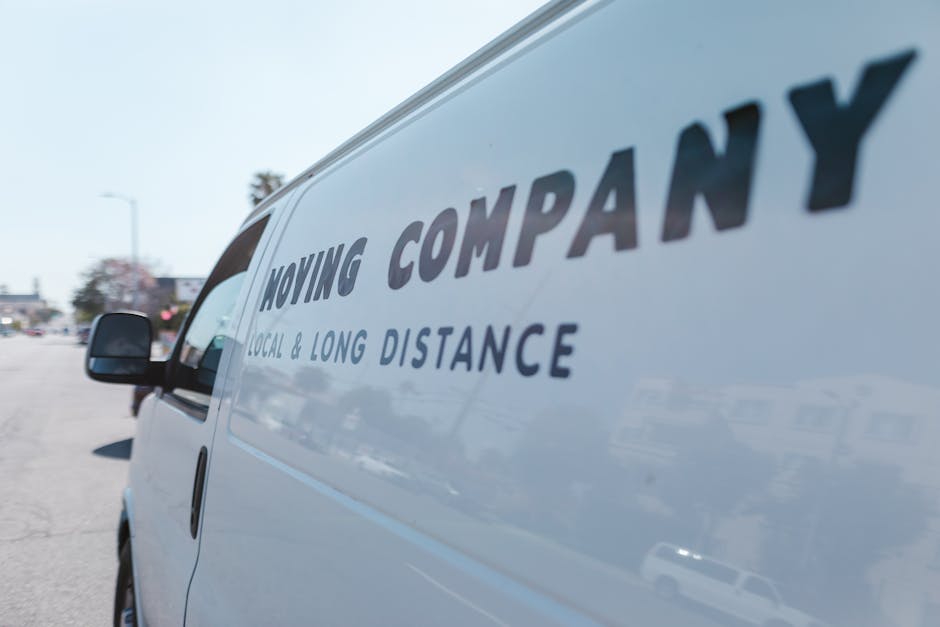
Avoid RBKC Fines: Chelsea Council Rules for Moving Vans
If you are planning a move in Chelsea, the last thing you want is a parking ticket or a penalty landing after an already stressful day. That is exactly why understanding how to avoid RBKC fines matters. Chelsea streets can be tight, loading space can be limited, and even a short stop can become a problem if the move is not planned properly. The good news? With the right preparation, you can keep the day smooth, legal, and far less nerve-racking.
This guide breaks down the moving-van rules that matter most in the Royal Borough of Kensington and Chelsea, why they are easy to get wrong, and what sensible movers do to stay compliant. It also covers practical checks, common mistakes, and a real-world example so you can see how the pieces fit together. In other words: less guesswork, more calm. Which, let's face it, is exactly what moving day needs.
Table of Contents
- Why Avoid RBKC Fines: Chelsea Council Rules for Moving Vans Matters
- How Avoid RBKC Fines: Chelsea Council Rules for Moving Vans Works
- Key Benefits and Practical Advantages
- Who This Is For and When It Makes Sense
- Step-by-Step Guidance
- Expert Tips for Better Results
- Common Mistakes to Avoid
- Tools, Resources and Recommendations
- Law, Compliance, Standards, or Best Practice
- Options, Methods, or Comparison Table
- Case Study or Real-World Example
- Practical Checklist
- Conclusion
- Frequently Asked Questions
Why Avoid RBKC Fines: Chelsea Council Rules for Moving Vans Matters
RBKC enforcement can turn a routine move into an expensive lesson if your van is parked where it should not be, overstays a loading period, blocks access, or is simply not set up for local restrictions. Chelsea is especially sensitive because so many streets are narrow, busy, and heavily used by residents, deliveries, trades, and visitors. There is not much room for improvisation.
The key point is simple: moving van rules are not just about avoiding fines. They are about keeping the move safe, predictable, and respectful to neighbours and traffic flow. A van parked awkwardly on a Kensington and Chelsea street can cause congestion very quickly, particularly around school times, market areas, or on the kind of residential road where every available kerb space is already taken.
People often assume a quick stop is harmless. Truth be told, that assumption causes a lot of trouble. A driver nipping away to carry boxes upstairs can return to a ticket, or to find the vehicle has been noticed by enforcement. Even if a fine feels minor compared with moving costs, the real issue is the disruption. It can slow the entire schedule, put pressure on the team, and create avoidable stress.
For anyone booking a man and van service in Chelsea, the local rules should be part of the planning from the very first conversation. If you are moving a full flat, handling office equipment, or collecting a large item, this is not the area to leave to chance.
Expert summary: The safest approach in Chelsea is to plan the vehicle, the parking, the loading time, and the route together. If one part is missing, the whole move becomes less reliable.
How Avoid RBKC Fines: Chelsea Council Rules for Moving Vans Works
In practical terms, avoiding RBKC fines comes down to understanding where the van can stop, how long it can stay, and whether the vehicle or activity needs any special consideration before the move begins. The exact details can vary by street, by time of day, and by local restrictions already in place, so the safest habit is to plan conservatively rather than assume there will be space.
Most moving problems fall into a few broad categories:
- parking in a restricted bay or on double yellow lines without the right basis to stop
- blocking access, driveways, crossings, or entrances while loading
- staying longer than expected and drifting into enforcement territory
- failing to consider width, turning space, or height clearance for larger vehicles
- not checking whether a permit, dispensation, or loading arrangement is needed in advance
Another thing people forget is the difference between a small van and a larger removal vehicle. A compact vehicle may fit where a bigger truck will not. That sounds obvious, but in Chelsea it matters a lot. A street that looks manageable on foot can feel very different when a long wheelbase van is trying to edge into position with furniture, boxes, and a driver watching mirrors on both sides.
If the move is business-related, the planning pressure tends to be even higher. Office relocations often involve laptops, monitors, confidential files, and multiple staff moving at once. For that kind of job, using a well-organised service such as commercial moves or office relocation services can reduce the risk of unnecessary stops, rushed loading, and last-minute parking decisions.
And, to be fair, the difference between a smooth move and a frustrating one is often just preparation. You do not need heroics. You need a plan.
Key Benefits and Practical Advantages
When you handle Chelsea moving-van rules properly, you get more than compliance. You get a better move. Here is what that usually looks like in real life.
- Lower risk of fines and delays: fewer surprises, fewer interruptions, less paperwork afterwards.
- Better timing: loading and unloading can happen in a way that actually matches the schedule.
- Less physical strain: a properly parked vehicle means shorter carrying distances and safer lifting.
- More neighbour-friendly moving: less blocking, less noise, less frustration on the street.
- Cleaner coordination: drivers, porters, and customers know where to be and when.
There is also a quieter benefit that people underestimate: confidence. When you know the van is parked legally and the loading plan makes sense, you stop firefighting. You can focus on the house keys, the sofa that barely fits through the hallway, and the annoying drawer that somehow opens itself in transit.
For larger or more delicate jobs, extra services can help keep the day on track. A properly sized vehicle from removal truck hire or moving truck support may be more suitable than trying to squeeze everything into a van that is too small. Likewise, if packing is slowing you down, packing and unpacking services can save time and reduce the risk of rushed loading on the pavement.
Who This Is For and When It Makes Sense
This topic matters to a surprisingly wide range of people. If you are moving within Chelsea, into Chelsea, or out of the area with a vehicle stopping on local streets, the rules are relevant. That includes:
- homeowners and tenants moving flats or houses
- landlords arranging tenant changeovers
- small businesses relocating offices or stock
- students moving belongings in and out of local properties
- families booking help for bulky furniture or multiple rooms
- anyone using a van for one-off collections or deliveries
It makes sense any time the move involves street access, loading at the kerb, or a vehicle that cannot simply disappear into private parking. That last part is important. If you have secure access or a private driveway, your risk is lower. But in many Chelsea streets, that is not the reality.
Some moves are straightforward: one room, light furniture, easy access. Others are a bit of a beast. A third-floor flat, no lift, awkward parking, and a wardrobe that seems designed by someone with a grudge? That is when the moving rules stop being background noise and become central to the plan.
If you are still deciding between help levels, compare your move size against the service type. A local man with van option can suit smaller jobs, while house removalists are usually better for fuller, more complex household relocations. For local home moves, home moves is the most direct place to start.
Step-by-Step Guidance
Here is a clear way to plan the move so the van, the schedule, and the local restrictions all work together.
- Check the address details early. Look at the exact pickup and drop-off points, not just the postcode. The difference between one side street and another can be huge.
- Assess access honestly. Think about staircase width, lift access, kerb height, and whether the van can stop close enough for safe loading.
- Choose the right vehicle size. Too small and you need multiple trips. Too big and you risk problems with space, manoeuvring, or stopping.
- Plan the loading window. Give yourself enough time for heavy items, awkward items, and the inevitable one thing that takes longer than it should.
- Confirm parking or stopping arrangements. Do not assume the street is fine just because it looked quiet when you walked past at 8pm last week.
- Prepare the property before the van arrives. Bags labelled, boxes stacked, furniture protected, and paths kept clear.
- Load in a sensible order. Heavy and stable items first, fragile items protected, essentials accessible.
- Keep communication open. Driver, customer, and any helpers should know the plan and the backup plan.
- Do a final sweep before departure. Check cupboards, drawers, behind doors, and the bottom of the stairs. It is always the little things.
A realistic move often runs better when you build in a few spare minutes at the start and end. Not hours. Just a margin. Chelsea traffic has a habit of making optimists look slightly silly.
If you want a more hands-on moving setup, a well-organised moving van service can help coordinate access and timing so the day feels manageable rather than chaotic. That matters more than people realise.
Expert Tips for Better Results
Here are the habits that tend to make the biggest difference on actual moving day.
- Move early if you can. Mornings are usually easier for loading, especially before the street gets busier.
- Use one person to manage the door. It sounds small, but it prevents collisions, confusion, and open-door bottlenecks.
- Protect both the property and the vehicle. Door frames, banisters, and van interiors all suffer if items are rushed.
- Label by room, not just by item. It speeds unloading and reduces the temptation to pile everything into the nearest corner.
- Keep the route clear. Shoes, rugs, and loose bags on the floor are annoying at best and dangerous at worst.
- Have one person checking for forgotten items. A fridge shelf, meter key, or important envelope gets left behind more often than you might expect.
One practical observation from many moving jobs: the best-prepared clients rarely look the most stressed. They are usually the people with a short written plan, a couple of labelled boxes for essentials, and a calm sense that the day does not need to be perfect. Honestly, that mindset helps.
If you need extra support, it is also worth looking at packing and unpacking services before the move rather than after the chaos starts. That one decision can make a very long day feel much shorter.
Common Mistakes to Avoid
Most avoidable fines and delays come from a handful of repeat mistakes. The tricky part is that they often feel minor until they are not.
- Assuming the street is fine because another van was there earlier. Conditions change, and not every stop is legal just because it looked convenient.
- Using a van that is bigger than necessary. Bigger is not always better in Chelsea. Sometimes it is just harder to place.
- Underestimating loading time. A couch, a wardrobe, and three flights of stairs can rewrite the schedule very quickly.
- Leaving parking decisions until the day itself. That is when people start making rushed choices.
- Not checking property access beforehand. Narrow hallways and awkward corners can turn a quick lift into a slow puzzle.
- Overfilling the vehicle. Overpacked vans are harder to unload, harder to secure, and often slower overall.
The most expensive mistake is usually not the fine itself. It is the chain reaction. Late start, slower loading, stressed team, more time on the street, then a parking issue. You can see how it snowballs.
For item collections, a dedicated furniture pick-up arrangement can be a cleaner option than improvising with the wrong vehicle at the wrong time. That is especially true for bulky pieces that need careful handling and quick kerbside loading.
Tools, Resources and Recommendations
You do not need a complicated toolkit, but a few simple things make life much easier.
- Printed move plan: pickup address, drop-off address, contacts, and timing in one place.
- Room labels and marker pens: basic, yes, but very effective.
- Protective materials: blankets, covers, and tape for fragile items.
- Phone battery and charger: because the one time you need battery, it will be at 12%.
- Measuring tape: useful for checking sofas, wardrobes, doorways, and stair turns.
- Photo notes: take pictures of parking signs, access points, and any tricky entry details if you need a reminder later.
When it comes to choosing the right moving help, think in terms of fit rather than headline price alone. A cheap quote that ignores access issues can cost more once delays, extra trips, or last-minute changes are added in. That is why pricing and quotes should be looked at alongside vehicle size, crew support, and access planning.
If your move includes sustainability goals or you are clearing items you do not want to keep, it may also help to review recycling and sustainability options. Not every unwanted item needs to go to waste. Sometimes the sensible route is the greener route, too.
Law, Compliance, Standards, or Best Practice
For moving vans in Chelsea, compliance is mostly about following local parking, stopping, and loading rules carefully rather than trying to outsmart them. Exact restrictions depend on the street, signage, time of day, and any local controls already in place. Because of that, best practice is to treat parking and loading as a compliance task, not a guess.
In the UK, good moving practice normally includes the following:
- checking local restrictions before the vehicle arrives
- avoiding unnecessary obstruction of roads, pavements, driveways, and crossings
- using a vehicle appropriate for the access available
- loading safely so items do not create a hazard
- keeping to reasonable working practices for staff and customers
It is also sensible to make sure the moving company carries appropriate insurance and safety procedures, especially where there is handling of heavy furniture or access through shared spaces. If you want to understand how a provider approaches this side of the job, look at insurance and safety and health and safety policy information before booking.
For many customers, the legal detail is not the main concern. Fair enough. But you do not need to become a parking-law expert to make a smart move. You just need to follow the obvious standards: plan ahead, do not block, do not rush the street stop, and use the right vehicle for the job.
Options, Methods, or Comparison Table
Different moving setups suit different kinds of Chelsea jobs. The table below gives a simple comparison.
| Option | Best for | Strengths | Watch-outs |
|---|---|---|---|
| Small man and van | Light moves, single rooms, quick collections | Flexible, often easier to position on narrow streets | May need multiple trips for larger loads |
| House removal team | Full home moves, heavier furniture, family relocations | More support, better for complex loading | Needs more space and usually more planning |
| Moving truck | Large loads or more efficient one-trip moves | Capacity and better consolidation | Harder to park and manoeuvre in tight areas |
| Removal truck hire | Jobs where the vehicle is the main requirement | Useful for organised, larger-scale relocation | Still needs careful access and parking planning |
There is no perfect option for every address. The best choice depends on the property, the volume, the street layout, and how much help you want on the day. If you are not sure, start with the access question first. It is usually the deciding factor.
Case Study or Real-World Example
A typical Chelsea move might look like this. A couple is moving from a first-floor flat near a busy residential street. They have a sofa, a bed, several boxes, and a few awkward items like mirrors and a small sideboard. At first, they think a standard van will be fine because the load does not look huge.
Then they check the access. The stairwell is narrow, the front space is limited, and the nearest legal stopping point is not right outside the building. The sensible decision is to keep the vehicle compact, pre-pack the items properly, and arrange the sequence so loading can happen quickly without blocking the road for longer than necessary.
They also split the job into rooms and use a short checklist for departure. Keys, meter readings, and final room checks happen before the van leaves. No drama. No last-minute sprints. And, just as important, no avoidable fines because someone guessed the parking situation would work out. It did not need to be fancy. It just needed to be thought through.
That kind of approach works equally well for a small business move too. A local office with laptops, files, and workstations can save a lot of time by using organised commercial moving support and booking the right vehicle for the street, not just the stock volume.
Practical Checklist
Use this checklist before moving day. It is simple, but it catches a lot of problems.
- Confirm pickup and drop-off addresses exactly
- Check street access and any obvious parking restrictions
- Match the vehicle size to the property and road layout
- Allow enough time for loading and unloading
- Prepare boxes, labels, covers, and tape in advance
- Keep walkways and entrances clear
- Have phone numbers for everyone involved
- Protect fragile or valuable items separately
- Do a final sweep of rooms, cupboards, and storage areas
- Keep proof of booking, timing, and any special instructions handy
If you want the move to feel a bit less like controlled chaos, this checklist is a good starting point. Not glamorous, sure. Very effective though.
Conclusion
Avoiding RBKC fines in Chelsea is mostly about good judgement. Use the right vehicle, plan the parking, keep the loading efficient, and do not leave the small details until the last minute. That is the whole game. Sounds simple, but in a place like Chelsea, simple planning saves real money and a lot of stress.
The best moving days are rarely the ones with perfect weather or perfect timing. They are the ones where the crew, the customer, and the vehicle all fit the local reality of the street. If you can do that, you are already ahead. And yes, the street will still be a bit awkward. It usually is. But awkward does not have to mean expensive.
Get a free quote today and see how much you can save.
For a calm, well-organised move backed by local know-how, it helps to work with a team that understands Chelsea's streets, timing pressures, and access challenges. If you are ready to plan properly, take the next step with confidence and keep the day moving in the right direction.
Frequently Asked Questions
Do I need special permission to park a moving van in Chelsea?
Sometimes, depending on the street, the type of stopping required, and the local restrictions in place. It is wise to check ahead rather than assume a loading stop will be fine.
Can I just stop for a few minutes while loading furniture?
Not always. A short stop can still be restricted if the location, markings, or timing do not allow it. The safest approach is to plan the stop properly from the start.
What kind of moving vehicle is best for narrow Chelsea streets?
A smaller van is often easier to position on tight roads, but the best option depends on the volume of items and the access at both properties. Bigger is not automatically better.
How can I reduce the risk of a fine on moving day?
Check the street restrictions, keep loading efficient, avoid blocking access, and choose a vehicle that fits the space available. Good timing helps a lot too.
Are house removals different from small man and van jobs in Chelsea?
Yes. Full house moves usually need more planning, more handling support, and sometimes a larger vehicle. Smaller jobs can often be handled more flexibly.
What if I am moving office equipment or stock?
Business moves should be planned with the same care, and often more. Office equipment, files, and stock can be awkward to carry, so timing and access matter a great deal.
Is it worth booking packing help before the van arrives?
Often yes. Packing support can speed up loading and reduce last-minute pressure, which is exactly when people tend to make rushed decisions.
Can a larger removal truck cause problems in Chelsea?
It can, especially on tighter streets or where stopping space is limited. Larger vehicles are useful for capacity, but only if the access works.
What should I check before the van gets to the property?
Check access, parking options, where items will be placed, and whether anything awkward needs special handling. A quick check early can save a long delay later.
Do moving companies normally help with parking and access planning?
Good ones usually do. It should be part of the conversation before the booking is confirmed, especially for Chelsea moves where street conditions can be challenging.
What if my move includes furniture I do not want to keep?
You may be able to arrange a separate collection or clear-out plan, depending on the item and condition. For bulky pieces, a furniture pick-up option can be much simpler than trying to deal with it on the day.
How do I know if I need a full removal team instead of a van?
If you have a full property, heavy furniture, multiple floors, or a tight timeline, a fuller removals setup is often the safer choice. If it is a light move, a smaller service may be enough.
Where can I get more details about service options and pricing?
You can compare service details, vehicle options, and pricing information through the relevant pages before deciding what fits your move best.